


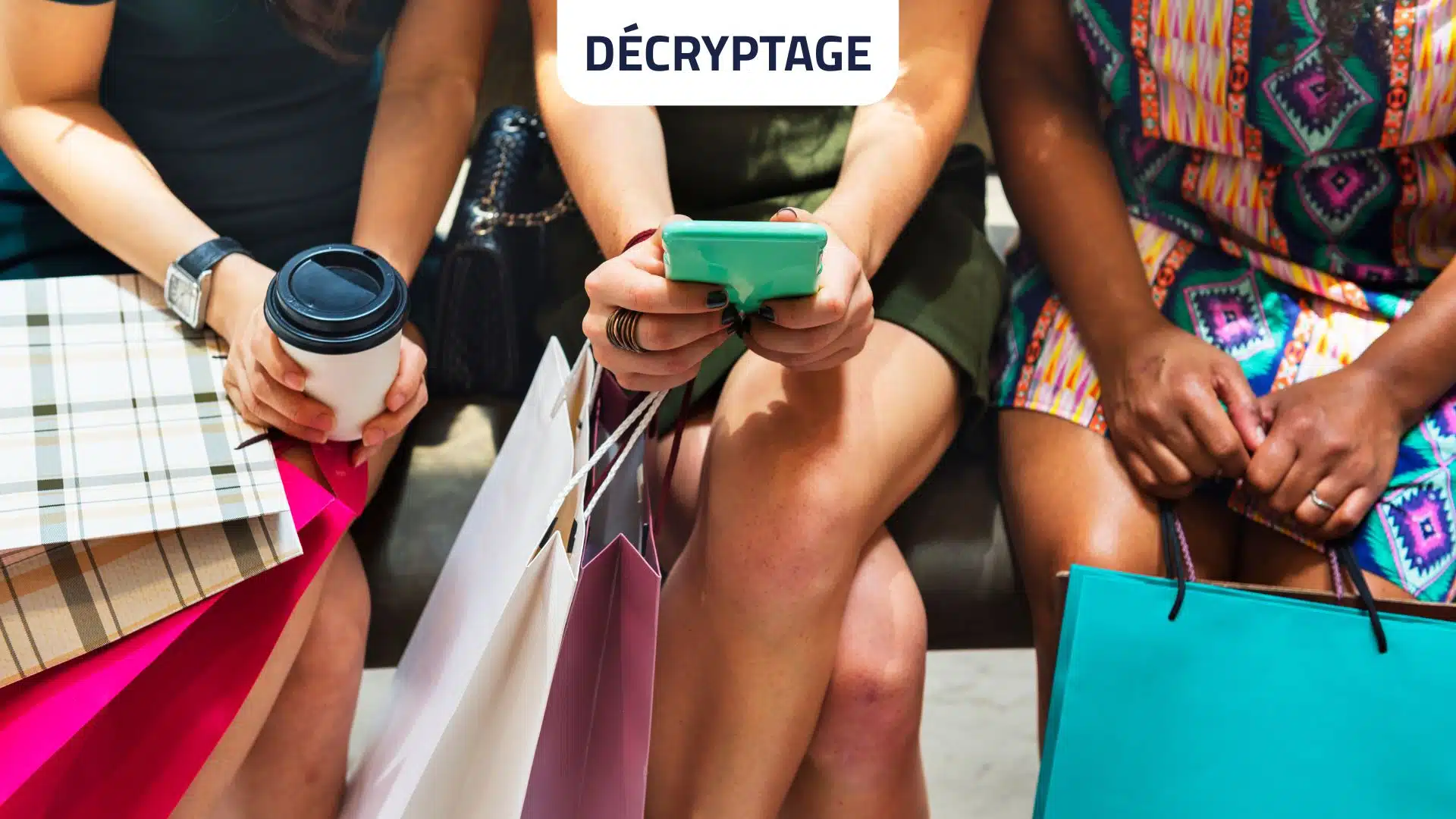
Buying behavior is what guides our choices: our desires, thoughts, feelings, and the influence of those around us. Said like that, it seems simple. In reality, today’s journey looks more like a fragmented path, punctuated by a multitude of touchpoints: a quickly glimpsed review, a TikTok video, a “just browsing” trip to a store, followed later by an ad that pops up again. You’ve probably experienced this little sequence yourself.
While these changes affect all consumers, certain generations, notably Generation Z, illustrate them particularly well. We will return to this to provide concrete examples, even though these mechanisms are not limited to this group alone.
But what exactly is a touchpoint?
It is a moment or channel through which a customer interacts with a brand, whether physically (in-store, events) or digitally (website, advertising, social media, email, etc.).
With digitalization, customers switch channels without thinking. E-commerce is growing, products are compared in seconds, and expectations related to CSR increasingly influence choices.
Generation Z, highly sensitive to authenticity and personalization, is strongly driving the evolution of consumer expectations.. According to the PwC research, 49% of young people want personalized products, while 59% still favor brands they are familiar with,evidence that they seek a subtle mix of reliable benchmarks and more “authentic” and tailored offerings. Their pursuit of relevant options is also reflected in their buying behavior: 79% wait for sales, only 21% are willing to pay full price, and the use of discount codes has increased by 14%.. This demanding and selective generation is therefore accelerating the demand for products that are more authentic, more useful, and better aligned with their identity.
Source : https://www.pwc.com/us/en/industries/consumer-markets/library/gen-z-consumer-trends.html
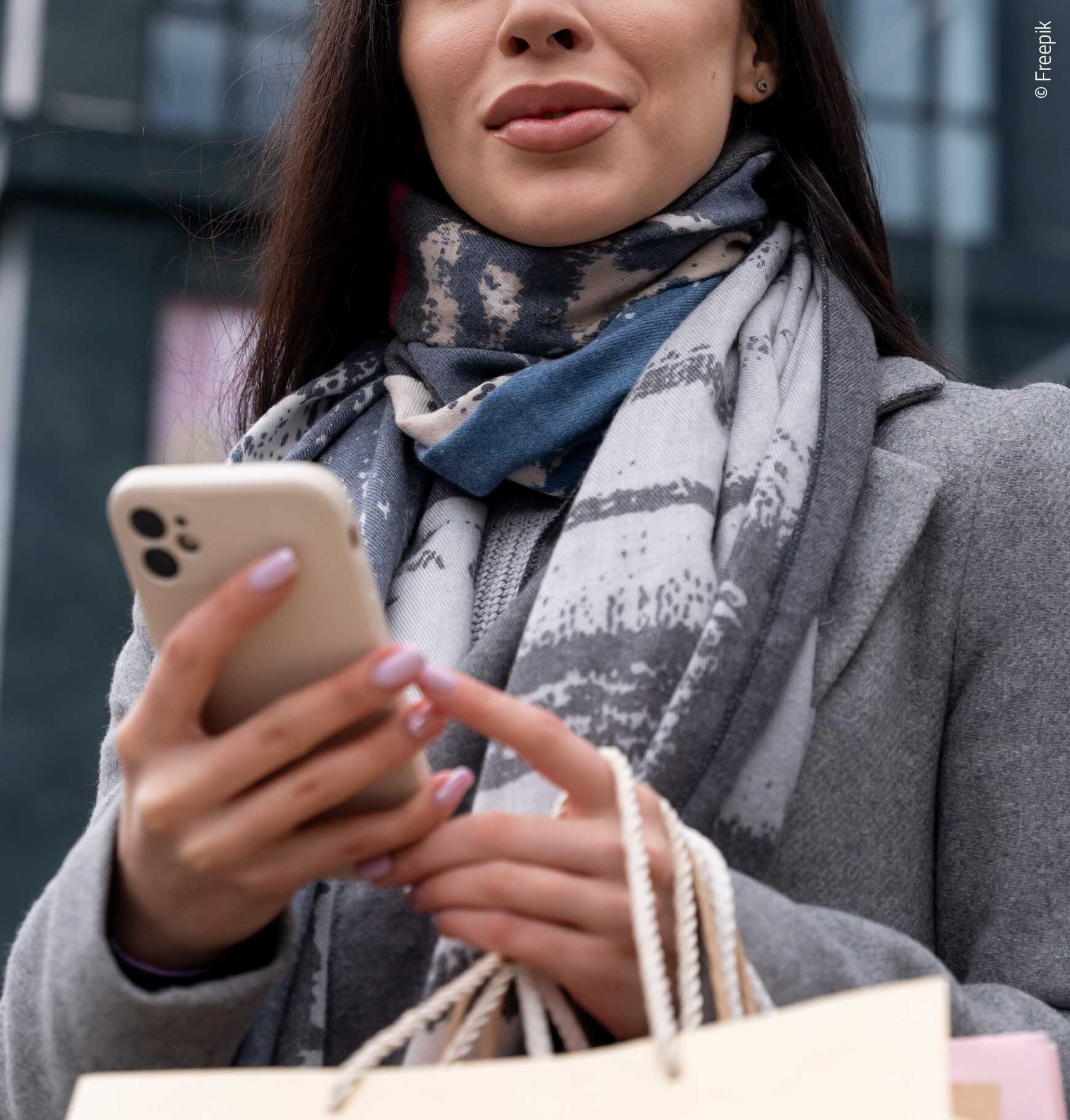
At Techni’Sens, the combined analysis of qualitative and quantitative data helps shed light on these behaviors and anticipate market trends.
Key factors influencing buying behavior
When analyzing buying behavior,it quickly becomes clear that multiple layers are intertwined—sometimes transparently, sometimes like a knot that must be unraveled thread by thread. You can even ask yourself a simple question: what truly influences a consumer when choosing one product over another?
Psychological factors carry significant weight: motivation, emotions, perception, learning—elements that shape decisions, often without the consumer being aware. Yet, social and cultural dimensions immediately come into play: peer influence, the role of social media, and generational norms (with Gen Z leading the way).
Economic factors then come into play: price, promotions, market context, and purchasing power. Not very glamorous, but decisive. And we often overlook product- and marketing-related levers, such as:
PACKAGING
INNOVATION
PERCEIVED QUALITY
STORYTELLING
CUSTOMER EXPERIENCE
Analysis of buying behavior among youth and Generation Z
Among young consumers, and even more so within Generation Z, buying behavior follows a particular logic, sometimes intuitive, sometimes puzzling. You’ve likely noticed: their expectations revolve around transparency, social responsibility, and an almost immediate need for personalization. Instant gratification is key.
And yet, it’s not just about values. Their touchpoints are heavily digital: TikTok as a source of inspiration, influencers perceived as “authentic,” and online reviews to make decisions in seconds.
Their choices often rely on:
• quick content
• influence perceived as authentic
• social commerce integrated into their journey
On the price side, the balance is subtle: managing their budget while seeking meaning, quality, and a coherent brand positioning. Not so simple.
Thanks to a global panel and precise sub-analyses by profile, Techni’Sens identifies behaviors specific to Gen Z through digital studies and dedicated analyses. An essential resource for understanding tomorrow’s market.
Consumption trends 2026: what brands need to anticipate
In 2026, buying behavior continues to evolve, driven by consumers who are more attentive, more demanding, and, let’s be honest, more volatile. You’ve likely noticed: eco-responsibility is no longer a differentiating factor—it has become a baseline. The circular economy is following the same trajectory, almost naturally.
To remember.
And yet, digital continues to accelerate things. Customer journeys are becoming truly omnichannel,blending in-store visits, mobile browsing, delivery services, and interactions with AI. Phygital experiences are gaining sophistication; conversational assistants are becoming a step in the journey, sometimes even acting as “advisors” guiding product choice.
The major expectations are grouped around :
• a personalized, almost made-to-measure experience
• authentic content
• seamless services between online and offline

Another strong signal: the rise of sensory pleasure
Dans l’alimentaire, la cosmétique ou le lifestyle, les marques qui créent une expérience émotionnelle prennent une longueur d’avance. Rien d’extravagant, mais une tendance solide.
To anticipate these shifts, nothing beats an agile approach,capable of capturing what consumers say… and what they don’t say. At Techni’Sens, this agility is based on a mixed-method approach combining weak signal analysis, observation of specialized communities, real-time co-creation, and exploratory qualitative studies. An essential dimension is added to this:ethnomarketing, which allows for interpreting actual behaviors, in-context usage, and non-verbal cues that are often far more revealing than spontaneous statements.
Best practices for integrating buying behavior analysis into your strategy
To integrate buying behavior analysis into a strategy, you must first accept a simple idea: consumer expectations evolve quickly. Very quickly. You probably already know this.
The most effective approach relies on a few essential practices:
• maintain continuous market monitoring
• combine quantitative and qualitative data to obtain reliable insights
• integrate the customer’s voice from the product design stage
To remember.
This approach reduces decisions made “far from the field” and enhances the relevance of offerings. Finally, relying on a specialized institute allows these analyses to be conducted with greater rigor and methodological perspective.
In summary
Buying behavior has continuously evolved. In the past, decisions were planned, product-focused, and often made in-store. Today, they are instantaneous, connected, influenced by social media, and driven by emotions. You’ve surely noticed this around you.
These changes can be explained by all the factors analyzed in the article: psychological, social, and economic dimensions, the role of marketing, the impact of digital, and more elements that transform the way consumers compare products, assess prices, and interact with brands.
And tomorrow?
The shift is accelerating: purchases will become smarter, more immersive, responsible, and above all, highly personalized.
This is precisely why we have highlighted Generation Z.. Not because it is the only generation affected, but because it already visibly embodies the consumer trends that will impact the entire market in the coming years:
• new expectations
• more fragmented buying journeys
• a deeply renewed relationship with brands
Understanding their behavior today means evolving with them, as they are trendsetters. If your brand wants to build loyalty and maintain a long-term relationship, you must follow them and analyze their behavior using appropriate methods. This allows for more accurate anticipation of market changes and the integration of these insights into a solid strategy, creating a climate of trust, a strategic imperative for preparing for 2026.